The Naked City Trailer, 1948
“…the story of a live city…”

“…the story of a live city…”
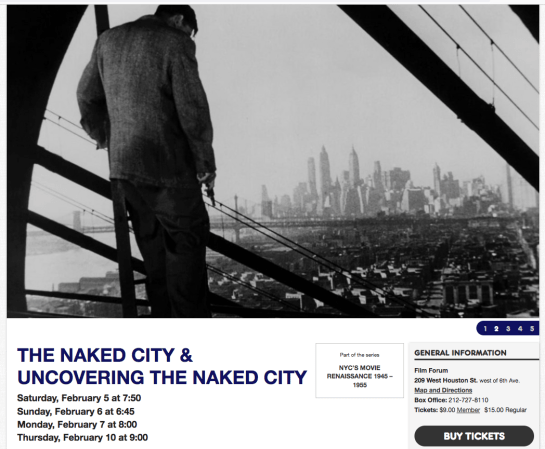
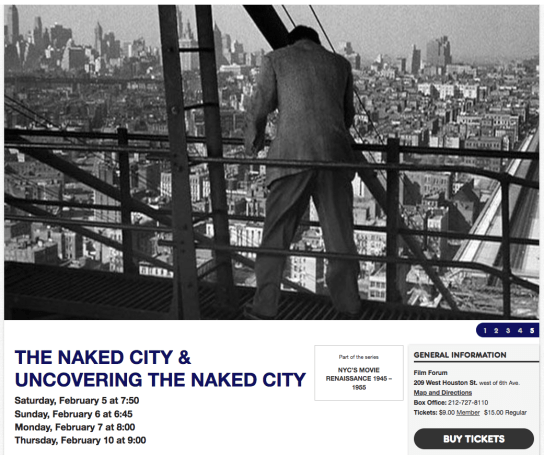
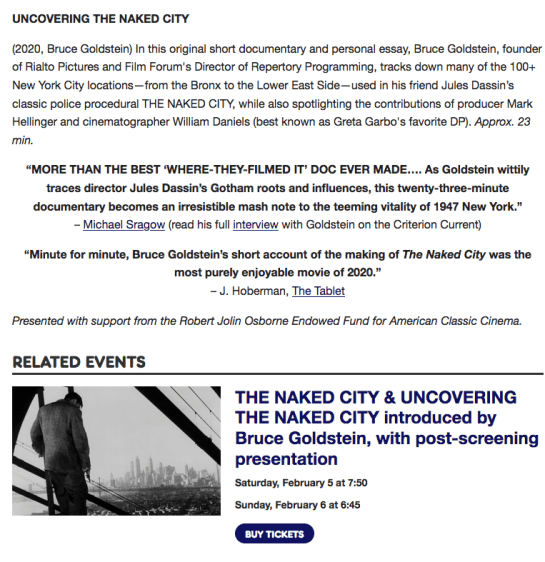
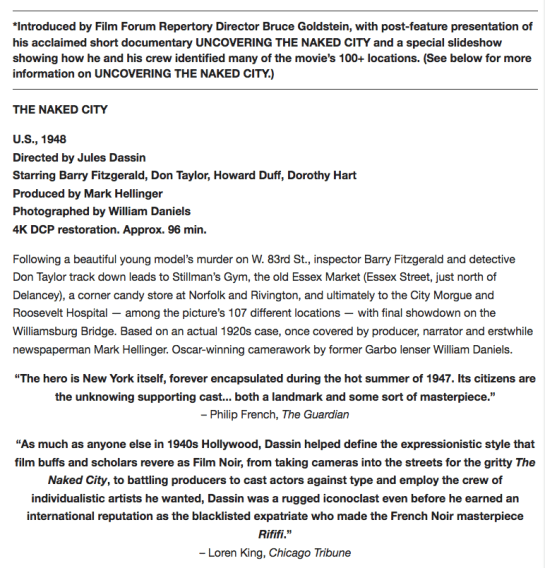
Screenshots filmforum.org
(copied from youtube)
File under: Current Events: Movies
Here are some interesting facts about the New York City population:
With a July 2015 population of 8,550,405, New York is the most populous city in the United States, more than twice the size of the second largest city, Los Angeles.
About 1 in every 38 people living in the United States resides in New York City.
New York has the highest population density of any major city in the United States, with over 27,000 people per square mile.
Over 3 million of New York City’s residents are foreign-born; over one-quarter arrived in 2000 or later.
Nearly 2 million New Yorkers are under the age of 18.
New York City has more people than 40 of the 50 U.S. states.
New York City has grown by over 1 million people since 1990.
The 2014 median age in New York City was 35.8 years, almost two years lower than the national median of 37.7 years.
Over one-third of the population 25 and over in New York City has a bachelor’s degree or higher, compared to 30 percent nationally.
There are nearly 400,000 more women than men in New York.
There is a birth in New York City every 4.4 minutes.
There is a death in New York City every 9.1 minutes.
The borough of Brooklyn on its own would be the 4th largest city in the United States; Queens would also rank 4th nationally.
The average commute for New Yorkers is just over 40 minutes, about 14 minutes longer than the national average.
New York City has the largest Chinese population of any city outside of Asia.
Half of all New Yorkers speak a language other than English at home.
Over 200 languages are spoken in New York City.
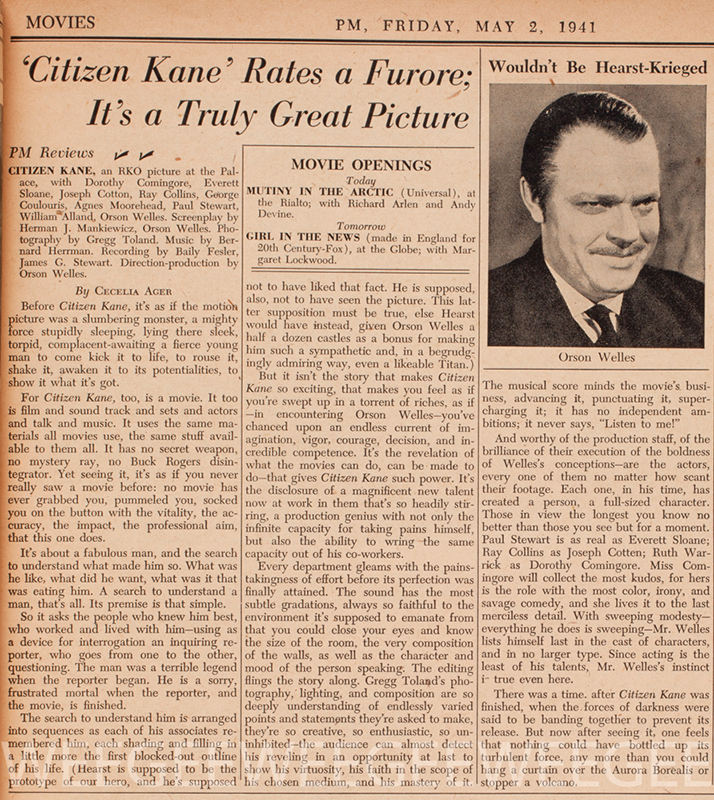
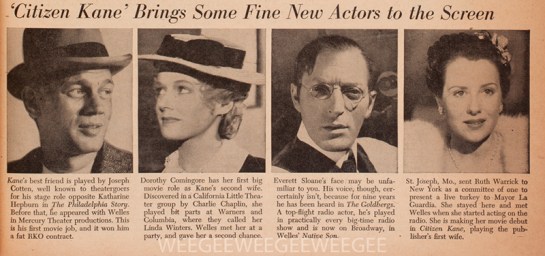
PM, May 2, 1941
A truly great review of Citizen Kane by Cecelia Ager…
PM reviews Citizen Kane…
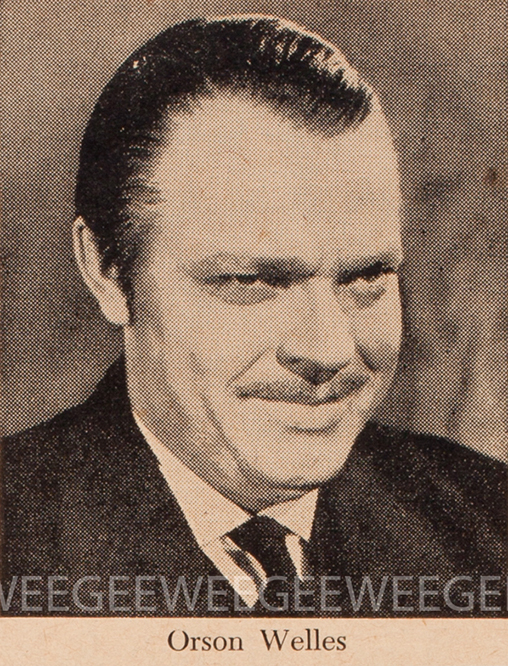
Orson Welles…

PM, May 1, 1941, p.7
“Here’s What Makes a Museum Modern by Henry Simon.”
(“Coffee Concerts” started at 9 PM. Museum admission was $1.50. In May 1941 $1.50 had the same buying power as $27.59 in March 2021; in May 2021, museum admission is $25. The Sophistichords, Herman Chittison, solo, and John Kirby and his Orchestra, from Cafe Society Uptown… One of the songs performed by Herman Chittison at MoMA on April 30, 1941 was The Man I Love. One of the songs performed by John Kirby and his Orchestra was Double Talk.)
Museum of Modern Art to Present Series of Non-Concert Music Including Swing, Folk Songs, Gospel Singers, Spanish Dancers, and Voodoo Drummers… PDF of press release.
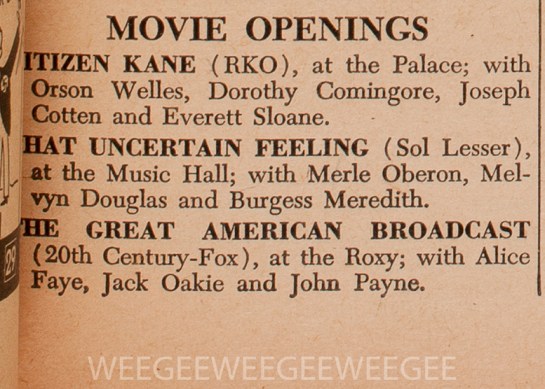

PM, May 1, 1941, p.7
‘Citizen Kane’ Gets A Running Start
Citizen Kane, the Orson Welles movie which for four months has withstood a nationwide Heartskrieg, opens tonight, 8:30, at the Palace. Its advance business, nourished by the newspaper controversy, is booming…
…”I can always show it,” he said. “I’ll show it in a ballpark with four screens, in auditoriums, at fairs, in circus tents, in necessary…”
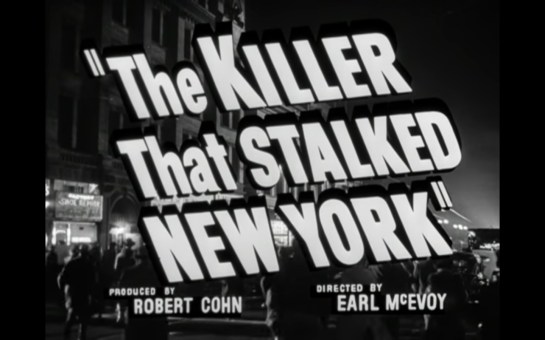
(Trailer for “The Killer That Stalked New York” screenshot)

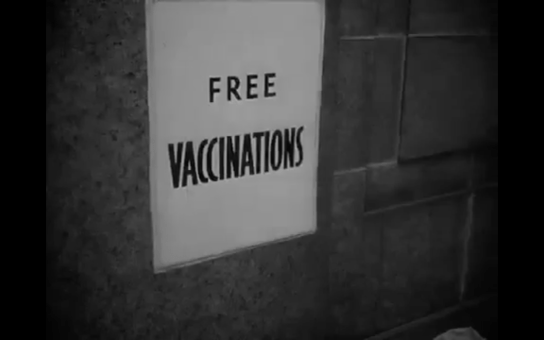

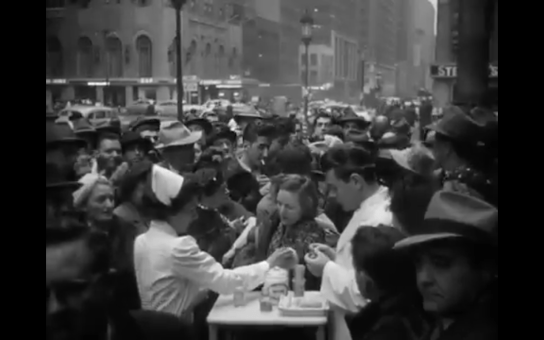

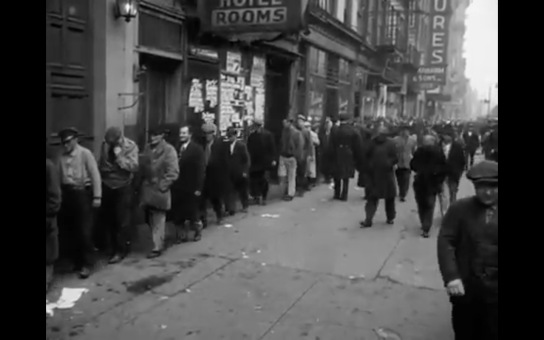
(“The Killer That Stalked New York” screenshots)

(“The Killer That Stalked New York,” on archive.org, screenshots)

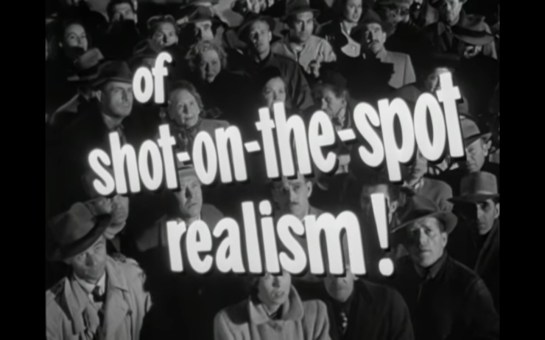
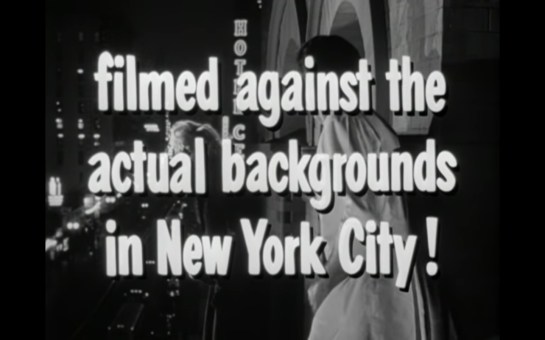
(Trailer for “The Killer That Stalked New York” screenshots)
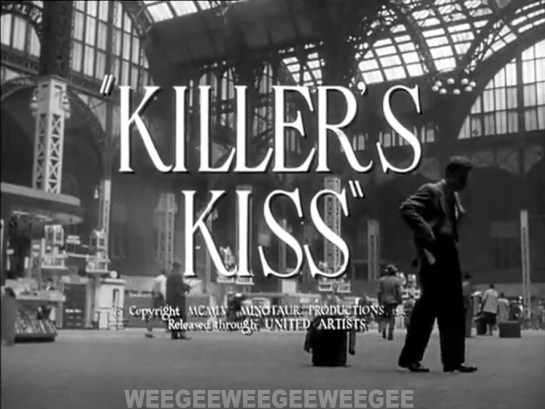
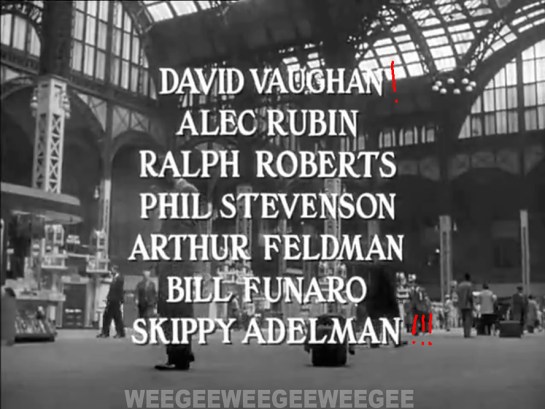
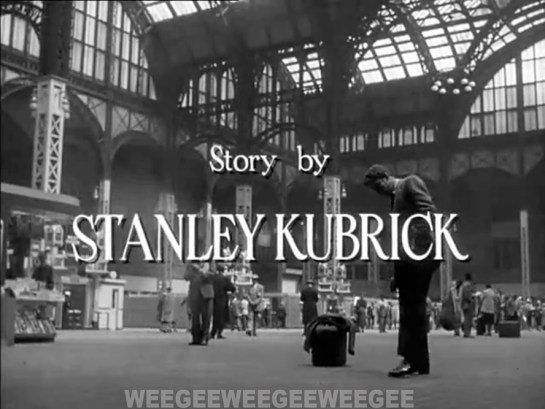

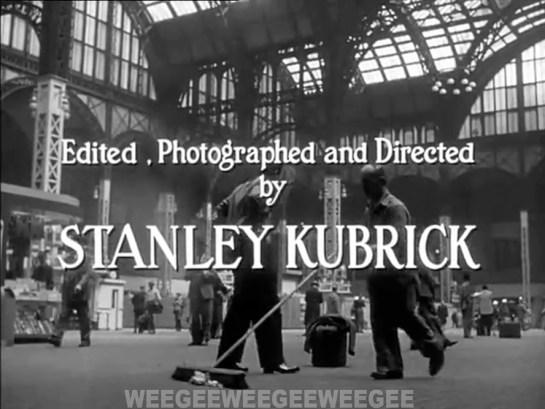
Screen shots from Stanley Kubrick’s “Killer’s Kiss” (1955).

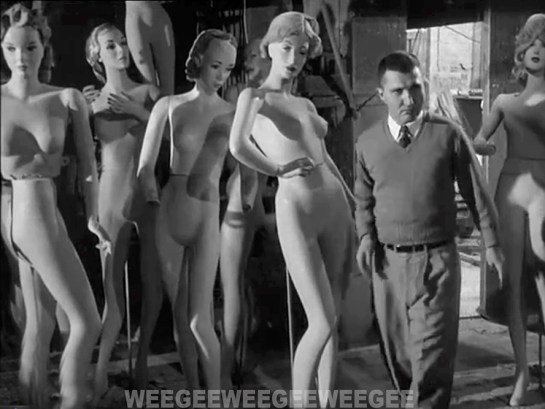
Screen shots from “Killer’s Kiss.” Mannequin factory owner, played by Skippy Adelman, and mannequins.

PM, October 1945. Photo by Skippy Adelman.
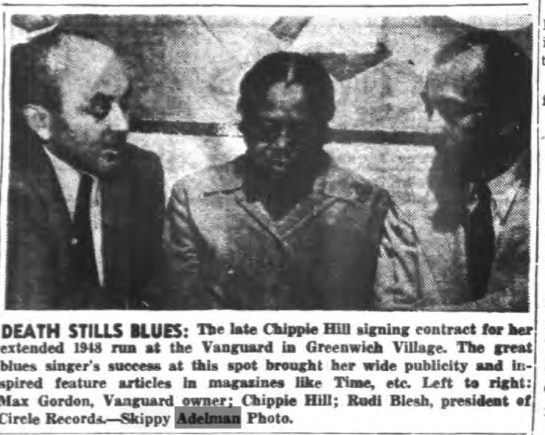
New York Age, May 1950. Photo by Skippy Adelman.


PM, 1945. Photo by Skippy Adelman.


Weegee-esque screen shots from “Killer’s Kiss.”
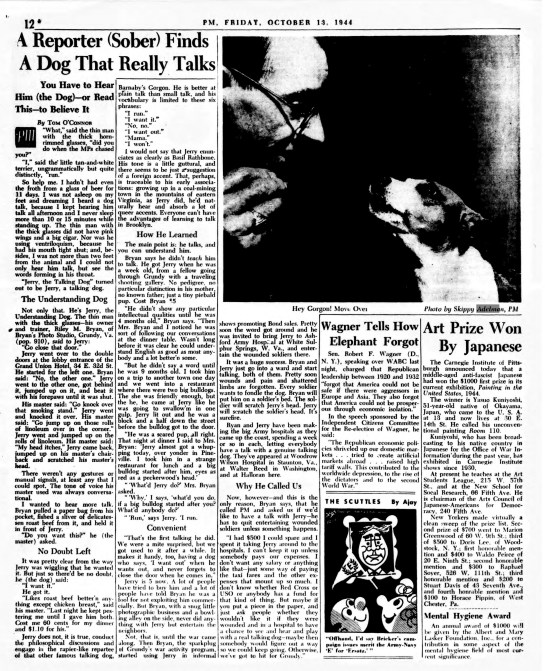
PM, October 1944. Talking dog for the war effort story. Photo by Skippy Adelman.
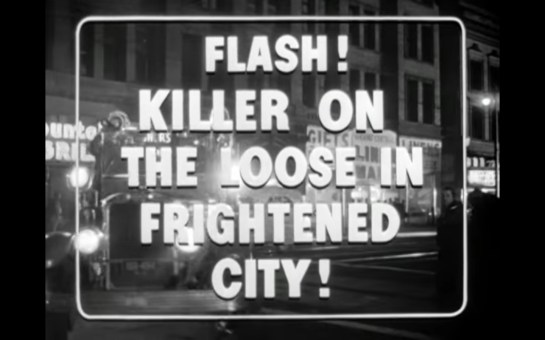
(Trailer for “The Killer That Stalked New York” screenshot)

(Trailer for “The Killer That Stalked New York” screenshot)
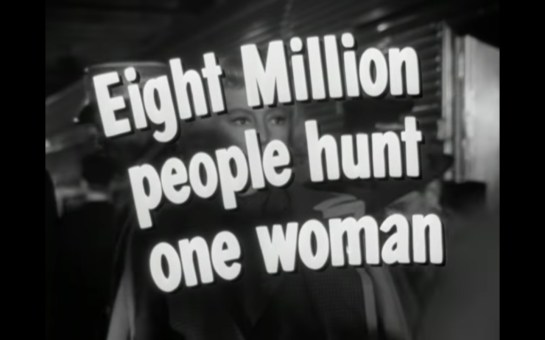
(Trailer for “The Killer That Stalked New York” screenshot)
(Trailer for “The Killer That Stalked New York” screenshot)
(Trailer for “The Killer That Stalked New York” screenshot)
(Trailer for “The Killer That Stalked New York” screenshot)
(Trailer for “The Killer That Stalked New York” screenshot)

(“The Killer That Stalked New York” screenshot)

(“The Killer That Stalked New York” screenshot. Similar introduction to “The Naked City.”)

(“The Killer That Stalked New York” screenshot. Deserted Times Square.)
(“The Killer That Stalked New York” screenshot)

(“The Killer That Stalked New York” screenshot)

(“The Killer That Stalked New York” screenshot. Spoiler alert: portrait photographer helps solve the crime; nice camera in background.)

(“The Killer That Stalked New York” screenshot)

(“The Killer That Stalked New York” screenshot)
Entirely irrelevant to the focus of this blog… but shockingly relevant to real life, New York now…
(“The Killer That Stalked New York” screenshots)
“The Killer That Stalked New York” (1950) maybe it’s not the best movie ever made… But there’s something for everyone: Vaccinations! Press cameras! Hand washing! Cool science photos! And there’s “shot-on-the-spot realism!”
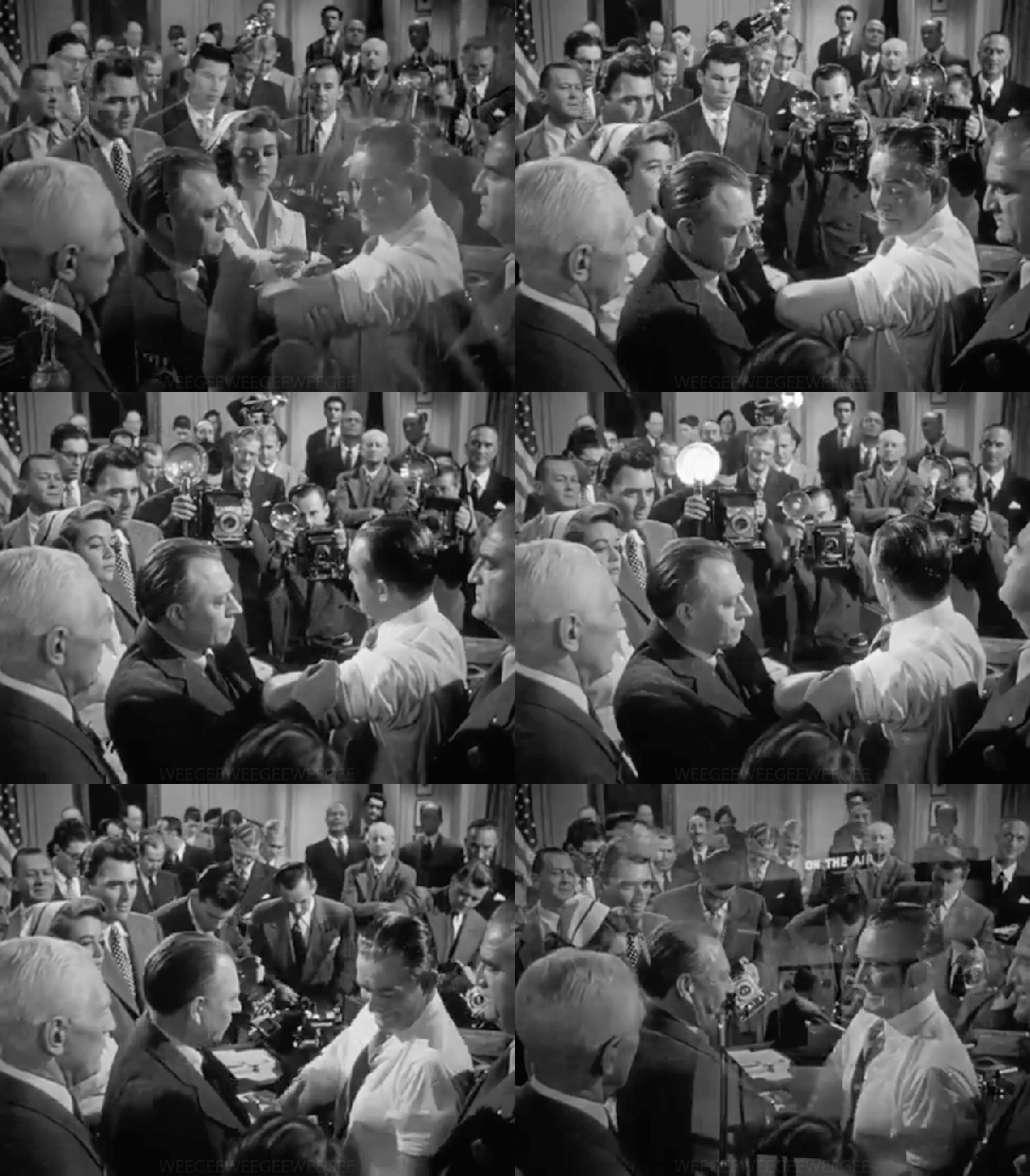
(“The Killer That Stalked New York” screenshots. Even the mayor gets vaccinated.)
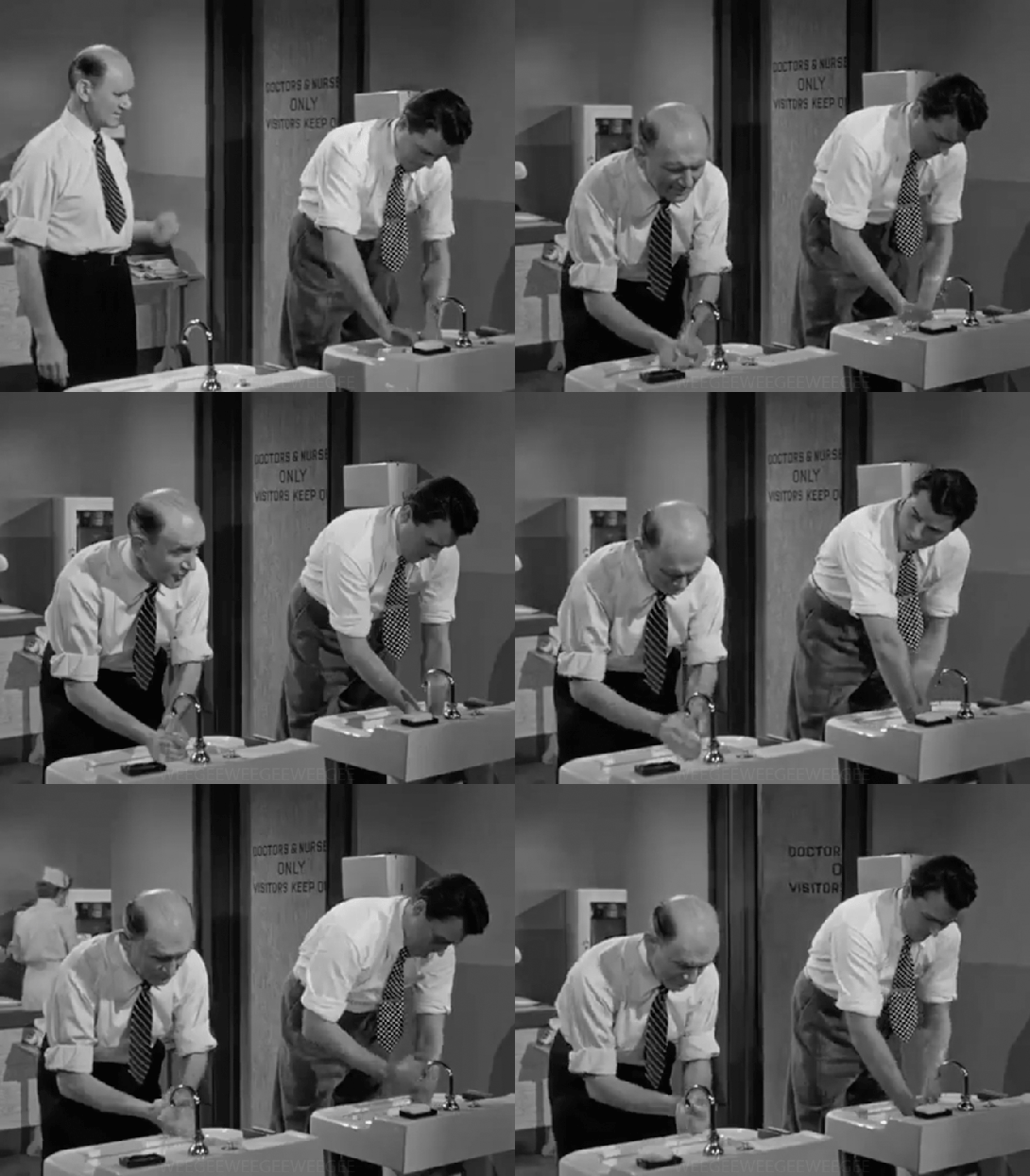
(“The Killer That Stalked New York” screenshots… 20 seconds forever…)
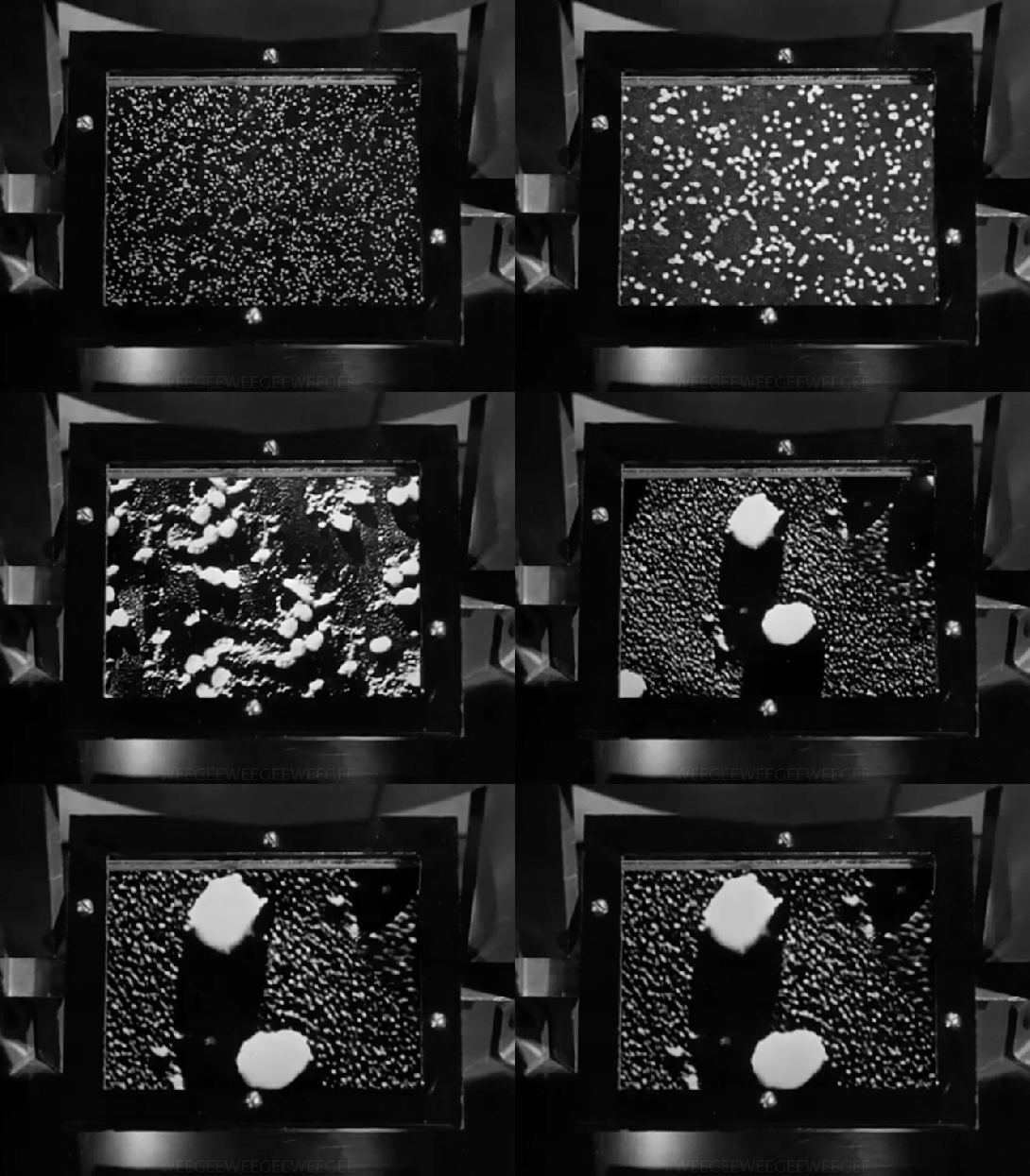
(“The Killer That Stalked New York” screenshots… Yes! It’s…)
‘Killer That Stalked New York,’ About a Diamond Smuggler, Opens at Palace Theatre
By Bosley Crowther
January 5, 1951
An interesting complicating factor is introduced into a routine hunt for a pretty young diamond smuggler in Columbia’s “The Killer That Stalked New York.” This factor is merely that the lady has smallpox, which she has brought into the country along with the gems, and, without knowing what she has, she is spreading it while remaining a fugitive in New York.The peril, of course, is obvious—as it literally was a few years ago when an actual smallpox carrier brought the dread disease to this city. And it is in a pictorial demonstration of the scope and the health problem of this peril that the one virtue of this picture, now at the Palace, resides.By bringing his cameras to New York and filming realistic hospital scenes, mass vaccinations and local details. Director Earl McEvoy has achieved a respectable simulation of the anxiety of a community when confronted with a possible plague. And he has managed to get some fascination into the desperate devices by which the health authorities, headed by a young physician, attempt to pinpoint the fatal carrier.But, unfortunately, the script of Harry Essex, based on a factual magazine piece, has a bad tendency to ramble and to confuse two separate hunts. And the performances of the principal characters, while adequate, have little punch. Evelyn Keyes, as the fugitive smallpox carrier, manifests great discomfort and distress, but she is no more than a melodramatic cipher in a loosely organized “chase.” William Bishop is blankly youthful as the physician and Charles Korvin is conventional as the lady’s no-good husband who tries to give her the brush. Others are moderately effective in a potentially but not sufficiently intriguing film.

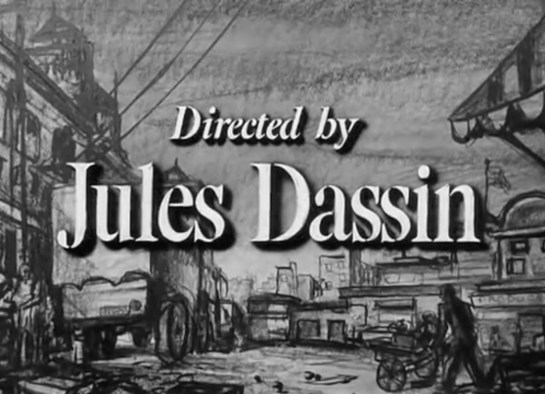
Screen shots from “Thieves’ Highway” (1949).
The movie Jules Dassin (1911–2008) made after “The Naked City” (1948) was “Thieves’ Highway” (1949). There’s no (known) direct connection or involvement by Fellig in this film. Nevertheless… it takes place in California, largely in San Francisco and Oakland, it was filmed largely on location and at night, (it’s perhaps a bit more exciting than “The Naked City”); the depth of the actors goes a long way. (And who doesn’t love apples.) (Richard Conte, an indirect and semi-important player in Weegee’s film-world, will return to our imaginary movie club/imaginary film series in a few more movies.) The WeegeeWeegeeWeegee free moviee club begins with “Thieves’ Highway.”
Screen shot from “Thieves’ Highway” (1949).
“Thieves’ Highway” (1949).
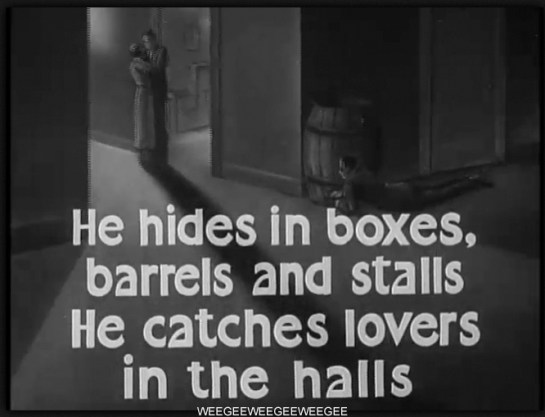


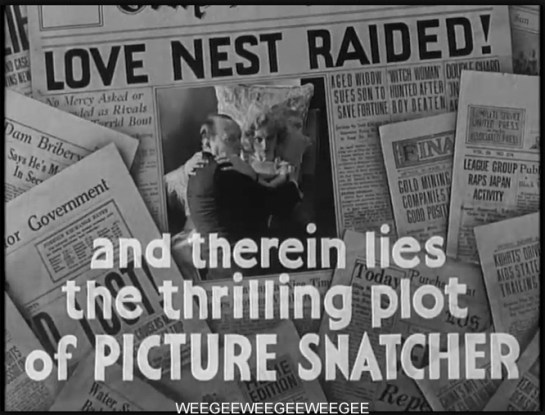


(screen shots)
“Picture Snatcher,” 1933
[“Goin’ To Town… with Mark Hellinger”]
“Hello. Eddie? This is Mark…”
 WEEGEEWEEGEEWEEGEE